Showing posts with label carrots. Show all posts

Friday, November 11, 2016

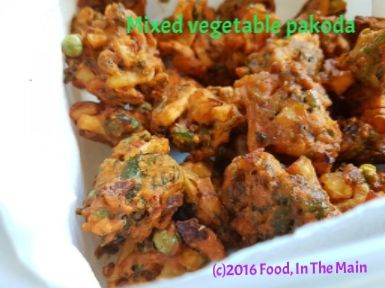
Mixed vegetable pakoda v2

I've posted a pakoda recipe before, but I thought I'd do a post on this version because, for one, it IS slightly different and for another, I really REALLY like my photo and think it deserves to be enshrined on my blog for posterity to view over and over.

HAHAHAHA!

My mother's version (which is the only one I've used all these years) for vegetable pakoda does not involve ginger-garlic paste. This time I decided to add it, and gosh, what a difference it made to the taste! The mint also added a refreshing note. I recommend it. 


Oh, and while you're considering my recommendation, make sure you guys admire my beautiful photo of the pakodas. I recommend that too.

Recipe for:
Mixed vegetable pakoda

 photo 9d02ee62-6afc-47c2-8255-d76b419ef479_zpsbsmepbnl.jpg

Ingredients:
1 medium potato
10-12 green beans
1/5 small cauliflower
1 medium carrot
1 cup spinach
1/4 cup green peas
1 medium onion
1 tbsp ginger-garlic paste
2 tbsp finely chopped mint

1 tsp omam/ajwain/oregano seeds
1 tsp red chilli powder
1 tsp coriander powder
1.5 - 2 cups chickpea flour
2 tbsp rava/semolina
Salt to taste
Oil for deep frying

Method:

1. Peel the carrot. Chop all the vegetables into thin 1/2-inch long strips.

2. Heat the oil in a deep wok. While the oil is heating, in a large mixing bowl, mix together all the chopped vegetables, spice powders, grated ginger and garlic, the semolina and the chickpea flour. Mix well, then add salt to taste and mix again. Add 1/4 cup water and mix with your hands to a thick dough. It should not be runny at all, because the vegetables will exude water. And once the dough is mixed, use it straightaway.

3. Drop a small piece of dough in the oil - if it floats to the top rightaway, the oil is ready. Drop the mixture carefully into the oil by the tablespoonful. Don't crowd the oil or the pakodas will not be crisp and soak up the oil. Once they are an even golden brown, remove from the oil and drain onto kitchen paper.

4. Serve warm. Great with drinks.

Tuesday, February 10, 2015

Egg salad with creamy salad dressing

I'm BAAAAAAAAAAACK! At least for today. This recipe is more for the salad dressing than the salad itself. You can use whatever salad vegetables you like, that you would eat raw. Mine had shredded carrots and beetroot, rocket (arugula), baby spinach, some lettuce of the red-veined variety (who knows what it's called!), tomato wedges, cucumber slices and of course boiled eggs.

Oh, and please ignore the rather gruesome grey-green ring around the yolks. I'm usually pretty deft at getting a perfectly yellow-yolk in my boiled egg, but it so happened that I completely forgot that I had eggs simmering away on the hob. I was distracted by a Facebook status and got sucked in, as you do. I don't know about you, but I blame Mark Zuckerberg. I was loath to throw the eggs away for this blemish and, besides, the green-ringed yolks aren't harmful to eat. So there you have it. By the way, the dressing works rather well with the eggs. I wouldn't have thought it, to be fair.

 photo Egg20salad_zpsblatmllv.jpg

Recipe for:
Egg salad with creamy salad dressing
Ingredients

For the salad dressing:

1 tbsp low-fat mayonnaise
4 tbsp Greek or natural yogurt (not sour)
1 htbsp grated parmesan cheese
1.5 tsp Worcestershire sauce
1 tsp lime juice
1 small garlic clove, grated
Freshly ground pepper
pinch of salt
pinch of smoked paprika

For the salad:
1 cup shredded carrots
1/2 cup shredded beetroot
2 medium tomatoes, quartered OR 10-15 cherry tomatoes, halved
1/2 cup cucumber slices
Generous mixture of salad leaves as desired
4 boiled eggs, peeled and quartered

Method:

1. Whisk all the ingredients for the dressing in a bowl. Thin it with a little water, whisking it in, until the dressing is thick but pourable. Adjust the ingredients as required till it tastes good to you. Chill the dressing until required.

2. Put all the salad ingredients in a large bowl and toss them together until evenly distributed. Just before serving, divide the contents between two bowls and dollop most of the dressing over. Mix it into the salad lightly and carefully with your hands fingers or using salad "hands". Place the quartered eggs on top, dab with the remaining dressing and serve at once.

Tuesday, October 04, 2011

Lemony vegetable rice

Are you wondering why this recipe is described as a lemony vegetable rice rather than a vegetable-y lemon rice? Well, why ARE you wondering that? Which of the two do you think is catchier? Welllll??? Yeah, I thought so too. Now you know the intricate thought process behind the title of this post.

I could tell you about how I arrived at all my other post titles too, but you might get bored, and the last thing I want is for my little audience to be bored. Boredom is not the right reward for dogged faithfulness, is it? So let’s just say that the reasoning for any or all of them is usually not far off that for this post. I mean, if I were to tax my brain for the title, what would I do for the main body of the post?

Actually, the answer to that is: Probably what I’ve just done so far.

There it is, peoples of the world. I save my deepest thoughts for finding a cure for an itchy nose, not for blog posts or their titles. That, right there, is the naked truth. Not particularly exciting for something that is naked, is it? Kind of like getting a 65-year-old pot-bellied nondescript-looking man in a beefcake magazine centrespread where you were expecting… oooh, I dunno, say Hrithik Roshan or Colin Firth or Hugh Jackman or …  *slurrrrrrp*

Excuse me while I go off in search of a towel to mop up the drool.

But please, don’t wait for me to return, go right ahead to the recipe. I insist.

Recipe for: Lemony vegetable rice
Photobucket
Ingredients:

2 cups basmati rice, cooked and cooled
2 cups vegetables, chopped into little cubes (potatoes, carrots, green beans, peas, etc)
½ cup chopped red or white onion
2 cloves garlic
4-5 green chillies, sliced into thin rounds (add to taste or omit entirely)
1 tsp chana dal/kadalai paruppu
1 tsp urad dal/ulutham paruppu
1 tsp brown mustard seeds
1/2 tsp turmeric powder
1 tbsp oil
Salt to taste
Lemon/lime juice to taste
Coriander leaves and roasted/fried peanuts for garnish

Method:

1. Heat the oil in a big pan, then add the chana dal/kadalai paruppu, urad dal/ulutham paruppu and mustard seeds. Cover and let the mustard seeds pop.
Photobucket
2. When the dals are golden brown, add the chopped garlic, the chillies and the onion along with the turmeric powder and fry on medium heat till the onions begin to turn translucent and soft.

3. Now add the chopped vegetables and sprinkle 3-4 tbsp water over them. Turn the heat down as low as it will go, then cover the pan and let the vegetables cook till they’re done – say 10-12 minutes.
Photobucket
4. Once the vegetables are cooked, get rid of any excess water by turning the heat up and stirring the vegetables about for 1-2 minutes.

5. Now add the cooked rice, sprinkle on salt to taste and add 3-4 tbsp of lemon/lime juice.
Photobucket
Mix carefully till the ingredients are well incorporated. Add more lime/lemon juice according to taste.

Photobucket
6. Garnish with coriander leaves and fried peanuts. Serve hot with potato crisps or other fried snacks or pickles of choice. (I like it with avakkai.)

RECIPE: LEMONY VEGETABLE RICE

Ingredients:

2 cups basmati rice, cooked and cooled
2 cups vegetables, chopped into little cubes (potatoes, carrots, green beans, peas, etc)
½ cup chopped red or white onion
2 cloves garlic
4-5 green chillies, sliced into thin rounds (add to taste or omit entirely)
1 tsp chana dal/kadalai paruppu
1 tsp urad dal/ulutham paruppu
1 tsp brown mustard seeds
1/2 tsp turmeric powder
1 tbsp oil
Salt to taste
Lemon/lime juice to taste
Coriander leaves and roasted/fried peanuts for garnish

Method:

1. Heat the oil in a big pan, then add the chana dal/kadalai paruppu, urad dal/ulutham paruppu and mustard seeds. Cover and let the mustard seeds pop.
2. When the dals are golden brown, add the chopped garlic, the chillies and the onion along with the turmeric powder and fry on medium heat till the onions begin to turn translucent and soft.
3. Now add the chopped vegetables and sprinkle 2-3 tbsp water over them. Turn the heat down as low as it will go, then cover the pan and let the vegetables cook till they’re done – say 10-12 minutes.
4. Once the vegetables are cooked, get rid of any excess water by turning the heat up and stirring the vegetables about for 1-2 minutes.
5. Now add the cooked rice, sprinkle on salt to taste and add 3-4 tbsp of lemon/lime juice. Mix carefully till the ingredients are well incorporated. Add more lime/lemon juice according to taste.
6. Garnish with coriander leaves and fried peanuts. Serve hot with potato crisps or other fried snacks, or pickles of choice.

Thursday, June 02, 2011

Hot-sweet vegetable curry

This recipe was a sort of off-the-cuff, make-it-up-as-you-go-along creation – and it tasted really nice. It wasn’t so much sweet as it was hot, because I used a Scotch bonnet pepper, and hot is how I like things... but the sweetness was there, all the same.

And that, it would appear, is all I have to say about it. I've been trying to come up with some kind of spin to eke out this post, but I believe I've run out of imagination. I need a ghost-writer with a sense of humour and endless creativity. Any takers?

Recipe for: Hot-sweet vegetable curry
Photobucket
Ingredients:

1/2 cup fingerling or salad potatoes, sliced in 1cm rounds
1/2 cup ripe mango,cubed
1/2 cup tomatoes, chopped
1/4 cup green beans, sliced on the diagonal
1/4 cup carrots, sliced in thin sticks
1/4 cup bottlegourd, sliced in thin sticks
Photobucket
1/2 cup onions, chopped fine
1 cup milk
1/2 tsp cinnamon powder
1 tsp grated ginger
1/2 tsp Kitchen King masala (or your favourite garam masala)
Green chillies to taste
5-6 cashewnuts
2 tbsp oil
A generous handful of chopped coriander leaves for garnish

Method:

1. Toss the sliced potatoes with 1 tbsp oil and roast in the oven at 180C/350F, stirring them after 15 minutes, until they are golden and cooked - about 30 minutes or so. Reserve.
Photobucket
2. Heat 1/2 tbsp oil in a pan and add the ginger and cinnamon powder.
Photobucket
3. Add the chopped tomatoes and cook for 3-4 minutes, or till they start to break up.
Photobucket
4. Add the chopped mangoes and the chillies, if using. Cook them on medium-high heat, stirring occasionally, until they become soft.
Photobucket
Remove from the heat and let the mixture cool.
Photobucket
Once it's cool, puree along with the cashewnuts and reserve.
5. Now heat the remaining 1/2 tbsp oil and fry the chopped onions.
Photobucket
6. When the onions are soft and pale brown, add the sliced carrots, beans and bottlegourd.
Photobucket
Add one cup water, cover the pan and let the vegetables cook till just done.
7. Stir in one cup milk and bring the mixture to a gentle boil on medium heat.
Photobucket
8. Add the pureed tomato-mango mixture and mix it in along with the Kitchen King masala powder..
Photobucket
9. Bring to a gentle boil, then add the oven-fried potatoes and stir them in.
Photobucket
10. Let the curry simmer for 6-7 minutes on medium heat. I like the gravy to be fairly thick, but if you prefer it more runny, add water or milk as required and simmer for a few minutes longer. Add salt to taste. Then garnish with chopped coriander leaves and serve hot with steamed rice.
Photobucket

RECIPE: HOT-SWEET VEGETABLE CURRY
Ingredients:

1/2 cup fingerling or salad potatoes, sliced in 1cm rounds
1/2 cup ripe mango,cubed
1/2 cup tomatoes, chopped
1/4 cup green beans, sliced on the diagonal
1/4 cup carrots, sliced in thin sticks
1/4 cup bottlegourd, sliced in thin sticks
1/2 cup onions, chopped fine
1 cup milk
1/2 tsp cinnamon powder
1 tsp grated ginger
1/2 tsp Kitchen King masala (or your favourite garam masala)
Green chillies to taste
5-6 cashewnuts
2 tbsp oil
A generous handful of chopped coriander leaves for garnish

Method:

1. Toss the sliced potatoes with 1 tbsp oil and roast in the oven at 180C/350F, stirring them after 15 minutes, until they are golden and cooked - about 30 minutes or so. Reserve.
2. Heat 1/2 tbsp oil in a pan and add the ginger and cinnamon powder.
3. Add the chopped tomatoes and cook for 3-4 minutes, or till they start to break up.
4. Add the chopped mangoes and the chillies, if using. Cook them on medium-high heat, stirring occasionally, until they become soft.
Remove from the heat and let the mixture cool.
Once it's cool, puree along with the cashewnuts and reserve.
5. Now heat the remaining 1/2 tbsp oil and fry the chopped onions.
6. When the onions are soft and pale brown, add the sliced carrots, beans and bottlegourd.
Add one cup water, cover the pan and let the vegetables cook till just done.
7. Stir in one cup milk and bring the mixture to a gentle boil on medium heat.
8. Add the pureed tomato-mango mixture and mix it in along with the Kitchen King masala powder..
9. Bring to a gentle boil, then add the oven-fried potatoes and stir them in.
10. Let the curry simmer for 6-7 minutes on medium heat. I like the gravy to be fairly thick, but if you prefer it more runny, add water or milk as required and simmer for a few minutes longer.Add salt to taste. Then garnish with chopped coriander leaves and serve hot with steamed rice.

Tuesday, May 17, 2011

Millet "curd rice"

I’ve always found it difficult to force myself to eat something simply because it’s considered healthy. Health-giving properties alone don’t make the cut, as far as my tastebuds are concerned. I accept that it is entirely my loss. But I am trying to trick my tastebuds into accepting non-rice (or non-white-rice) wholegrains as tasty, mainly by disguising them in familiar recipes.

I don’t know if you’ve heard of how shepherds help orphaned newborn lambs survive, by putting them together with ewes whose own lambs died at birth. Basically, they tie the fleece from the dead lambs onto the orphaned ones, and then introduce them to the mama sheep… and the mama sheep, smelling only their own dead lambs’ smell, accept the orphans as their own. Eventually, they get used to the adopted lambs’ own smell and then there is no need for the fleece to do the tricking job.

In other words:

Shyam (me) = mama sheep, who can’t/won’t accept
other lambs = brown rice, millet, broken wheat, quinoa, etc.,
in place of
her own beloved lamb = white rice.

Did y’awl get that awesome symbolism? Good, isn’t it? I’ve been planning my acceptance speech for the Nobel Prize for Literature ever since I’ve been able to put pen to paper. (Please try not to hurt my feelings by saying I’m baaaaaaaaaad (get the pun! get the pun!) at metaphors.)

So anyway, I think mama sheep was quite reasonably fooled into accepting the millet “curd rice” lamb as a reasonable substitute for her own white rice baby.

I’ve listed a few optional extras in the recipe below to add to the millet, none of which you will see in my photos – but that is because I didn’t have green grapes or cucumber handy, and couldn’t be fagged to grate any carrots because I was doing other things at the time.

One thing I noticed about the cooked millet – how much it resembled cooked quinoa, but luckily without the distinctive taste. The millet took less getting used to than quinoa. Which is a good reason why it worked so well in this recipe. My dinner was millet "curd rice" with 1-1/2 brown rice dosas and molagapodi. Pretty satisfying, all said.

Recipe for:
Photobucket
Ingredients:


1/2 cup millet
Photobucket
Water as required
Yogurt as required (I used Greek-style yogurt)
1 tsp oil
1 tsp mustard seeds
A few curry leaves, torn up
1/4 tsp asafoetida powder
2-3 green chillies (or to taste), sliced into thin rounds
Optional: 2-3 tbsp cucumber cubed small OR 2-3 tbsp grated carrots OR a few halved green grapes

Method:

1. Cook the millet in plenty of boiling water till soft and cooked (takes about 15 minutes, but keep testing the millet during the cooking period to see if it's done).
2. Drain the water off as well as you can and let the millet sit covered for 10 minutes. Let it cool.
Photobucket
3. Add as much yogurt to the millet as required, mixing gently, until it's of a consistency you like.
Photobucket
Ideally, it shouldn't be sloppy/runny, and it should also not be thick and dry.
4. For the tempering, heat the oil in a small pan, add the asafoetida powder, green chillies (if using), mustard seeds and curry leaves. Cover the pan and let the mustard seeds pop.
Photobucket
5. Now pour this tempering over the millet and mix it in gently. You can also mix in the cucumber, carrots or grapes at this point.
Photobucket
Serve cold or at room temperature.
Photobucket
This can be had by itself or with pickles and any vegetable curry.

RECIPE: MILLET "CURD RICE"

Ingredients:
1/2 cup millet
Water as required
Yogurt as required (I used Greek-style yogurt)
1 tsp oil
1 tsp mustard seeds
A few curry leaves, torn up
1/4 tsp asafoetida powder
2-3 green chillies (or to taste), sliced into thin rounds
Optional: 2-3 tbsp cucumber cubed small OR 2-3 tbsp grated carrots OR a few halved green grapes

Method:
1. Cook the millet in plenty of boiling water till soft and cooked (takes about 15 minutes, but keep testing the millet during the cooking period to see if it's done).
2. Drain the water off as well as you can and let the millet sit covered for 10 minutes. Let it cool.
3. Add as much yogurt to the millet as required, mixing gently, until it's of a consistency you like. Ideally, it shouldn't be sloppy/runny, and it should also not be thick and dry.
4. For the tempering, heat the oil in a small pan, add the asafoetida powder, green chillies (if using), mustard seeds and curry leaves. Cover the pan and let the mustard seeds pop.
5. Now pour this tempering over the millet and mix it in gently. You can also mix in the cucumber, carrots or grapes at this point. Serve cold or at room temperature. This can be had by itself or with pickles and any vegetable curry.
Millet "curd rice"

Tuesday, November 09, 2010

Vegetable chickpea patties

One of the things I do very well is daydream. The more important it is for me to pay attention, the easier I find it to slip into my own world – not to mention, the daydream is correspondingly detailed. One recurring bare-bones daydream is to have a cook at home. The actual details vary depending on my prevailing mood, but on different occasions I’ve day-dreamed about having a live-in cook (only briefly), someone who would make what I wanted the way I wanted it made, someone who would be a trained nutritionist and make healthy but superbly tasty dishes… the permutations are many and varied.

But the one daydream that keeps occurring with monotonous regularity is the one where I have a cook who does the necessary prepwork and all the other jobs that I find boring – peeling and cutting vegetables, searching out spices, beating eggs, chopping nuts, shallow-frying things on low heat, stirring milk, whatever. After which, he (or she – I’m an equal-opportunity day-dreamer) clears the workspace, throws away the rubbish and gets everything ready for me.

Then, when all is perfectly laid out in the kitchen, I sail in and set about cooking my chosen recipe. And, naturally, when I am done, my cook does the washing up and drying and putting away of all the utensils, leaving my kitchen in perfect order for the next time…

*sighhhhh*

A sous chef is what I need, come to think of it. Someone who will never aspire to chefdom or doing anything more interesting than the prepwork and the donkey work.

*sighhhhhhhhhhhhhhhhhhhhhhhhhhhhh*

Anyway, here’s the recipe for the patties. Believe me when I say that I felt the lack of a sous chef very, very, very deeply indeed… but still, the takes-you-forever-to-cook-and-just-seconds-for-someone-to-eat patties are worth the annoying bitwork. In other words, they taste good enough to eat.

Recipe for:
Vegetable chickpea patties

Photobucket

Ingredients:

1/2 cup carrots, grated
1/2 cup potatoes, chopped
1/4 cup green beans, sliced into thin rounds
1/4 cup green pepper (capsicum), chopped
1/4 cup onions, chopped
2 cups cooked potatoes, mashed coarsely
1 tin (1-1/4 cups) cooked chickpeas, rinsed and drained
1 cup wholewheat breadcrumbs
1/4 cup coriander leaves, chopped
1 tsp Kitchen King masala (or garam masala)
1/4 tsp turmeric powder
1 tsp red chilli powder (or to taste)
1 tsp coriander seeds, powdered
1/2 tsp cumin seed powder
salt to taste
2 tbsp oil
Pam spray or more oil to shallow-fry

Method:

1. Place the chopped potatoes, carrots and green beans in a microwave-safe bowl and microwave covered for 5 minutes with 3-4 tbsp water, till half-cooked.

2. Add the mashed potatoes and the spices and mix well.
Photobucket

3. Then add the chickpeas and chopped onions.
Photobucket
Crush the chickpeas coarsely with a masher or the back of a sturdy spoon.

4. Add the breadcrumbs and mix in.
Photobucket

5. Heat the 2 tbsp oil and pour it on the mixture. Add salt to taste along with the coriander leaves, and mix thoroughly.
Photobucket

6. Now form small patties from the mixture and shallow-fry them in a non-stick pan (without crowding them) over medium-high heat.
Photobucket

7. Brush the top surface of the patties with some oil (or spray some Pam) and turn the patties over carefully when golden brown on the underside. 
Photobucket

8. Serve warm with a salad for a light meal, or with ketchup for a snack.
Photobucket

RECIPE: VEGETABLE CHICKPEA PATTIES

Ingredients:
1/2 cup carrots, grated
1/2 cup potatoes, chopped
1/4 cup green beans, sliced into thin rounds
1/4 cup green pepper (capsicum), chopped
1/4 cup onions, chopped
2 cups cooked potatoes, mashed coarsely
1 tin (1-1/4 cups) cooked chickpeas, rinsed and drained
1 cup wholewheat breadcrumbs
1/4 cup coriander leaves, chopped
1 tsp Kitchen King masala (or garam masala)
1/4 tsp turmeric powder
1 tsp red chilli powder (or to taste)
1 tsp coriander seeds, powdered
1/2 tsp cumin seed powder
salt to taste
2 tbsp oil
Pam spray or more oil to shallow-fry

Method:
1. Place the chopped potatoes, carrots and green beans in a microwave-safe bowl and microwave covered for 5 minutes with 3-4 tbsp water, till half-cooked.
2. Add the mashed potatoes and the spices and mix well.
3. Then add the chickpeas and chopped onions. Crush the chickpeas coarsely with a masher or the back of a sturdy spoon.
4. Add the breadcrumbs and mix in.
5. Heat the 2 tbsp oil and pour it on the mixture. Add salt to taste along with the coriander leaves, and mix thoroughly.
6. Now form small patties from the mixture and shallow-fry them in a non-stick pan (without crowding them) over medium-high heat.
7. Brush the top surface of the patties with some oil (or spray some Pam) and turn the patties over carefully when golden brown on the underside.
8. Serve warm with a salad for a light meal, or with ketchup for a snack.

Wednesday, September 29, 2010

Carrot redcurrant thogayal (chutney)

Photobucket
This is the third recipe using redcurrants that I’ve tried. My overwhelming impression of these gloriously pretty little berries is that they’re enamel-shrivellingly sour. Lemons and limes have nothing on them. They don’t appear to have a flavour of their own, except for the sourness – did I say they’re sour? – which I might have mentioned before. A few times, even.


But used in judicious amounts as a souring ingredient, the redcurrant thokku I made as my first redcurrant recipe really came into its own. I’d been wanting to try a carrot thogayal recipe which I’d marked a few months ago, and instead of using tamarind paste, I added two tsp of the redcurrant thokku to, if I may say so myself, brilliant effect. If you don’t have redcurrant thokku, don’t worry – just cook 2 tsp redcurrants until the berries soften and break down, before adding your grated carrot, and all will be fine.


The redcurrant-carrot thogayal stays good for only a couple of days at room temperature. I didn’t refrigerate it, so I don’t know its shelf life when stored in the fridge. But acting on the general rule of thumb for thogayals, which is that refrigeration does not improve the taste any, I’ll go out on a limb and say it’s best to make the thogayal in small amounts and use it up while it’s fresh.


Recipe for: Carrot redcurrant thogayal


Photobucket


Ingredients:


1 cup carrots, grated


Photobucket


1 small tomato, chopped/2 heaping tbsp roasted tomatoes
2 small onions, sliced thin
2 tbsp redcurrants/2 tsp redcurrant thokku
1 tbsp urad dal
1/4 tsp asafoetida powder
1/4 tsp saunf (fennel) seeds
5-6 dried red chillies - or to taste
2-3 fresh green chillies (optional)
2 cloves garlic, chopped
3 tsp oil
10-12 fresh or frozen curry leaves
a big handful of fresh coriander leaves
Salt to taste


Method:


1. Heat the oil and add the asafoetida powder, turmeric powder, urad dal, red chillies, fennel seeds, garlic and curry leaves.


Photobucket


Fry till the dal turns golden and the red chillies are a darker shade of red.


2. If you are using raw redcurrants, add them now and cook them on medium high heat until they break down - about 5-7 minutes.


3. Add the sliced onions and fry till they start to become soft and translucent.


Photobucket


4. Now add the chopped/roasted tomatoes and stir them in, and let cook for 3-4 minutes till they become mushy.


Photobucket


5. Add the grated carrots along with the green chillies and mix well.


Photobucket


6. If you're using redcurrant thokku, add it now and mix in.


Photobucket


7. Let the carrots cook for 5 minutes or so, until they become soft. Then add the coriander leaves and mix in.


Photobucket


8. Let the cooked mixture cool completely, then grind to a coarse consistency. You will not need any added water. Add salt to taste and mix well. Serve with plain cooked rice, dal and a vegetable curry. Or serve as a side for dosas, idlis and so on, and to make sandwiches.

RECIPE: CARROT REDCURRANT THOGAYAL


Ingredients:


1 cup carrots, grated
1 small tomato, chopped/2 heaping tbsp roasted tomatoes
2 small onions, sliced thin
2 tbsp redcurrants/2 tsp redcurrant thokku
1 tbsp urad dal
1/4 tsp asafoetida powder
1/4 tsp saunf (fennel) seeds
5-6 dried red chillies - or to taste
2-3 fresh green chillies (optional)
2 cloves garlic, chopped
3 tsp oil
10-12 fresh or frozen curry leaves
a big handful of fresh coriander leaves
Salt to taste


Method:


1. Heat the oil and add the asafoetida powder, turmeric powder, urad dal, red chillies, fennel seeds, garlic and curry leaves.
Fry till the dal turns golden and the red chillies are a darker shade of red.
2. If you are using raw redcurrants, add them now and cook them on medium high heat until they break down - about 5-7 minutes.
3. Add the sliced onions and fry till they start to become soft and translucent.
4. Now add the chopped/roasted tomatoes and stir them in, and let cook for 3-4 minutes till they become mushy.
5. Add the grated carrots along with the green chillies and mix well.
6. If you're using redcurrant thokku, add it now and mix in.
7. Let the carrots cook for 5 minutes or so, until they become soft. Then add the coriander leaves and mix in.
8. Let the cooked mixture cool completely, then grind to a coarse consistency. You will not need any added water. Add salt to taste and mix well. Serve with plain cooked rice, dal and a vegetable curry. Or serve as a side for dosas, idlis and so on, and to make sandwiches.

Friday, January 15, 2010

Two-dal vegetable kootu (stew)

I’ve always liked kootu with lots of dal in it, even when some of the kootus have plenty of cooked and mashed dal in them to start with. If any time my mother made vazhakkai kootu, for instance, which has cooked mashed tur dal to thicken it, I would still want lots of cooked-but-firm chana dal in it, as well as plenty of crunchy fried urad dal in the tempering. Nothing less would do.

I like lots of urad dal tempering in dry vegetable dishes too, and always have. And because I do my own cooking, I’m at perfect liberty to use vast quantities of any dal I like without anybody questioning the authenticity of what are meant to be traditional recipes.

Still, I’m not so wrapped up in my own quirks that I don’t realise that other people might not share my preferences, so I usually tone down the quantities of dals in the recipes I publish on this blog, in the hope that I (and my recipes) will come across as normal to readers. (I’m not entirely sure that the ploy works, though. Does it?)

This kootu is pretty simple, and you can use pretty much whatever vegetables you have at hand (but I wouldn’t recommend okra, fresh or frozen). I use a pressure-cooker to cook the vegetables and dal together, but if you don't have one, or don't like to use it, the dals can be cooked separately, the vegetables steamed or boiled separately, and then brought together from Step 7. I'd recommend the pressure-cooker, though - it makes things much simpler.


I personally feel that the dals make it not only nutritious but also very tasty. Have the kootu over rice, with a couple of microwaved appalam/poppadums and any pickle (I recommend mango thokku) and a cup of yogurt on the side, and you will discover one of the many ways to gain entry into my personal foodie heaven.

Recipe for:
Two-dal vegetable kootu

edited

Ingredients:

2.5 cups vegetables cut up small (I used cabbage, carrots, runner beans, potatoes and spinach)
1/4 cup chana dal
1/4 cup whole masoor dal
1/2 tsp turmeric powder
2 dried red chillies, chopped up fine
1 tsp oil
2 tbsp urad dal
2 tsp brown mustard seeds
1 tsp cumin seeds
1/4 tsp asafoetida powder (optional)
Salt to taste
About 2.5 cups water, or as required


Grind to a smooth paste:

3 tbsp grated fresh or frozen coconut (thawed)
4-5 green chillies (or to taste)
1/2 tsp cumin seeds
1 tbsp rice flour

Method:

1. If using cabbage, shred finely. Chop up any other vegetables you're using into small even-sized pieces.

Photobucket

2. Wash the two dals in cold water.

Photobucket

3. In an appropriately sized vessel that can go in your pressure cooker, place the dals at the bottom, then add the "hard" vegetables (like potatoes, carrots, etc), and finally the easy-cook vegetables like cabbage and frozen peas. If using spinach, DO NOT add to the vessel at this point.

Photobucket

Top with the turmeric powder and add enough water to just about cover the vegetables.

4. Pressure-cook for three whistles, and let the pressure drop naturally before opening the cooker.

Photobucket

5. In a pan, heat the oil. Add the mustard seeds, chopped dried red chillies, cumin seeds, urad dal and asafoetida powder. Cover and let the mustard seeds pop (about 30 seconds). The urad dal should have turned a golden brown.

Photobucket

6. Add the spinach leaves now (if using)

Photobucket

and stir fry till it is wilted but still green.

Photobucket

7. Lower the heat and add the cooked dal + vegetables to the pan (the liquid will sputter, so be careful).

Photobucket

8. Pour in the ground coconut masala.

Photobucket

Add salt to taste and mix well. Add more water if required (the kootu can be thick or a bit runny, depending on your taste. I keep it thick if it's a side dish for rotis or chapatis, and a bit runnier if it's to be served over rice.)

Photobucket

9. Serve hot over plain steamed white rice, or with chapaties.

Photobucket