skip to main |
skip to sidebar
I'm BAAAAAAAAAAACK! At least for today. This recipe is more for the salad dressing than the salad itself. You can use whatever salad vegetables you like, that you would eat raw. Mine had shredded carrots and beetroot, rocket (arugula), baby spinach, some lettuce of the red-veined variety (who knows what it's called!), tomato wedges, cucumber slices and of course boiled eggs.
Oh, and please ignore the rather gruesome grey-green ring around the yolks. I'm usually pretty deft at getting a perfectly yellow-yolk in my boiled egg, but it so happened that I completely forgot that I had eggs simmering away on the hob. I was distracted by a Facebook status and got sucked in, as you do. I don't know about you, but I blame Mark Zuckerberg. I was loath to throw the eggs away for this blemish and, besides, the green-ringed yolks aren't harmful to eat. So there you have it. By the way, the dressing works rather well with the eggs. I wouldn't have thought it, to be fair.

Recipe for: Egg salad with creamy salad dressing
Ingredients
For the salad dressing:
1 tbsp low-fat mayonnaise
4 tbsp Greek or natural yogurt (not sour)
1 htbsp grated parmesan cheese
1.5 tsp Worcestershire sauce
1 tsp lime juice
1 small garlic clove, grated
Freshly ground pepper
pinch of salt
pinch of smoked paprika
For the salad:
1 cup shredded carrots
1/2 cup shredded beetroot
2 medium tomatoes, quartered OR 10-15 cherry tomatoes, halved
1/2 cup cucumber slices
Generous mixture of salad leaves as desired
4 boiled eggs, peeled and quartered
Method:
1. Whisk all the ingredients for the dressing in a bowl. Thin it with a little water, whisking it in, until the dressing is thick but pourable. Adjust the ingredients as required till it tastes good to you. Chill the dressing until required.
2. Put all the salad ingredients in a large bowl and toss them together until evenly distributed. Just before serving, divide the contents between two bowls and dollop most of the dressing over. Mix it into the salad lightly and carefully with your hands fingers or using salad "hands". Place the quartered eggs on top, dab with the remaining dressing and serve at once.
I suppose I should be embarrassed about even considering this a recipe - and I suppose I am, a bit. But if I didn't write about it, there wouldn't be a post. There needs to be a post, and many more posts, if I am to reach my target of 500 posts. Not 500 posts this year (I wish!), but 500 posts in total since I started this blog. Looked at it that way, my output isn't particularly noteworthy, really. But it's all I have.
Anyway, I wish I could remember which blog it was where a commenter had mentioned that she always mixed raw karela with some yogurt and microwaved it for 3 minutes before going on to cook the vegetable on the hob.. and this way the karela was NEVER bitter.
I thought I’d try that out too, but I’m not sure how much it helped, if it did at all. Maybe it reduced the bitterness a little - but then I don’t have a huge problem with the bitterness of the vegetable when it’s shallow fried, especially as a side dish with rice. In any case, unless you try it cooked with yogurt and without, and compare the two side-by-side, it’s pretty hard to quantify any reduction in the level of bitterness in any useful way. Next time, maybe.
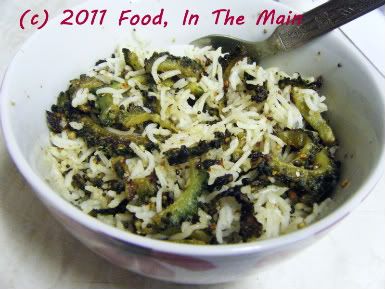
The karela rice only happened because I forgot to make sambar or any other kuzhambu, and I didn’t have any paruppu podi or thogayal ready – and only realized this when I got hungry for my dinner.
No problem – I mixed the karela dry-fry with the rice and called it “karela rice” and had that with yogurt, thereby getting around the problem of the missing sambar. Inspired innovation? Or merely good spin put on a pathetic situation? You decide.
Recipe for: Karela rice
 Ingredients:
1 cup basmati rice, cooked and cooled
2 medium karela (bitter melon/gourd)
2 tbsp yogurt/curd
1 tsp mustard seeds
5-6 fresh curry leaves
2 tbsp oil
Salt to taste
3 tbsp vegetable spice mix
Method:
1. Halve the karela lengthwise, then slice it into thin half-moons.
Ingredients:
1 cup basmati rice, cooked and cooled
2 medium karela (bitter melon/gourd)
2 tbsp yogurt/curd
1 tsp mustard seeds
5-6 fresh curry leaves
2 tbsp oil
Salt to taste
3 tbsp vegetable spice mix
Method:
1. Halve the karela lengthwise, then slice it into thin half-moons.
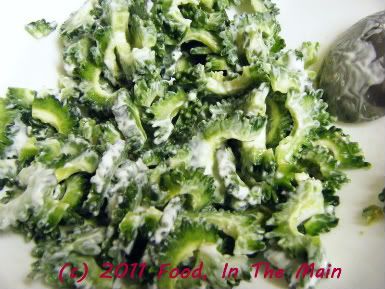
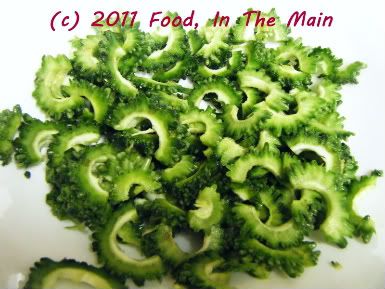 2. Toss the pieces with the yogurt/curd until they are evenly coated. Microwave, covered, for 3 minutes. Reserve.
 3. Heat the oil in a pan and add the curry leaves and mustard seeds. Let the seeds pop on meium-high heat, then add the karela pieces and stir well.
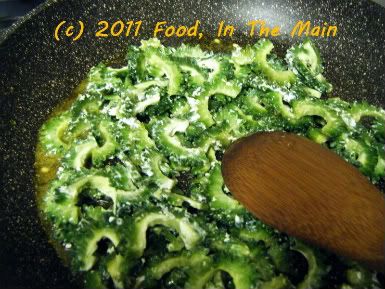 4. Let the karela cook on low heat for 8-10 minutes, till they are soft and cooked. Then turn the heat up to medium so that they can become a little crisp and brown. Add salt to taste and mix in.
5. Now add the 3 tbsp vegetable spice mix and stir well.
4. Let the karela cook on low heat for 8-10 minutes, till they are soft and cooked. Then turn the heat up to medium so that they can become a little crisp and brown. Add salt to taste and mix in.
5. Now add the 3 tbsp vegetable spice mix and stir well.
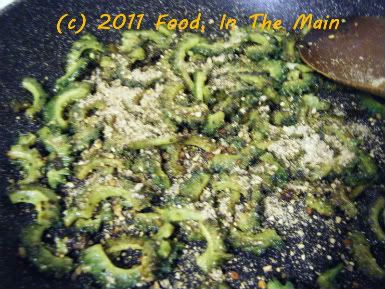 6. Now mix in the rice gently with the karela, so as not to break the grains. Turn the heat down to low and let the rice heat up thoroughly. Serve hot with raita and papad or potato chips.
RECIPE: KARELA RICE
Ingredients:
1 cup basmati rice, cooked and cooled
2 medium karela (bitter melon/gourd)
2 tbsp yogurt/curd
1 tsp mustard seeds
5-6 fresh curry leaves
2 tbsp oil
Salt to taste
3 tbsp vegetable spice mix
Method:
1. Halve the karela lengthwise, then slice it into thin half-moons.
2. Toss the pieces with the yogurt/curd until they are evenly coated. Microwave, covered, for 3 minutes. Reserve.
3. Heat the oil in a pan and add the curry leaves and mustard seeds. Let the seeds pop on meium-high heat, then add the karela pieces and stir well.
4. Let the karela cook on low heat for 8-10 minutes, till they are soft and cooked. Then turn the heat up to medium so that they can become a little crisp and brown. Add salt to taste and mix in.
5. Now add the rice to the karela along with 3 tbsp of the vegetable spice mix. Mix it in gently so as not to break the rice grains.
6. Turn the heat down to low and let the rice heat up thoroughly. Serve hot with raita and papad or potato chips.
6. Now mix in the rice gently with the karela, so as not to break the grains. Turn the heat down to low and let the rice heat up thoroughly. Serve hot with raita and papad or potato chips.
RECIPE: KARELA RICE
Ingredients:
1 cup basmati rice, cooked and cooled
2 medium karela (bitter melon/gourd)
2 tbsp yogurt/curd
1 tsp mustard seeds
5-6 fresh curry leaves
2 tbsp oil
Salt to taste
3 tbsp vegetable spice mix
Method:
1. Halve the karela lengthwise, then slice it into thin half-moons.
2. Toss the pieces with the yogurt/curd until they are evenly coated. Microwave, covered, for 3 minutes. Reserve.
3. Heat the oil in a pan and add the curry leaves and mustard seeds. Let the seeds pop on meium-high heat, then add the karela pieces and stir well.
4. Let the karela cook on low heat for 8-10 minutes, till they are soft and cooked. Then turn the heat up to medium so that they can become a little crisp and brown. Add salt to taste and mix in.
5. Now add the rice to the karela along with 3 tbsp of the vegetable spice mix. Mix it in gently so as not to break the rice grains.
6. Turn the heat down to low and let the rice heat up thoroughly. Serve hot with raita and papad or potato chips.
I’ve always found it difficult to force myself to eat something simply because it’s considered healthy. Health-giving properties alone don’t make the cut, as far as my tastebuds are concerned. I accept that it is entirely my loss. But I am trying to trick my tastebuds into accepting non-rice (or non-white-rice) wholegrains as tasty, mainly by disguising them in familiar recipes.
I don’t know if you’ve heard of how shepherds help orphaned newborn lambs survive, by putting them together with ewes whose own lambs died at birth. Basically, they tie the fleece from the dead lambs onto the orphaned ones, and then introduce them to the mama sheep… and the mama sheep, smelling only their own dead lambs’ smell, accept the orphans as their own. Eventually, they get used to the adopted lambs’ own smell and then there is no need for the fleece to do the tricking job.
In other words:
Shyam (me) = mama sheep, who can’t/won’t accept
other lambs = brown rice, millet, broken wheat, quinoa, etc.,
in place of
her own beloved lamb = white rice.
Did y’awl get that awesome symbolism? Good, isn’t it? I’ve been planning my acceptance speech for the Nobel Prize for Literature ever since I’ve been able to put pen to paper. (Please try not to hurt my feelings by saying I’m baaaaaaaaaad (get the pun! get the pun!) at metaphors.)
So anyway, I think mama sheep was quite reasonably fooled into accepting the millet “curd rice” lamb as a reasonable substitute for her own white rice baby.
I’ve listed a few optional extras in the recipe below to add to the millet, none of which you will see in my photos – but that is because I didn’t have green grapes or cucumber handy, and couldn’t be fagged to grate any carrots because I was doing other things at the time.
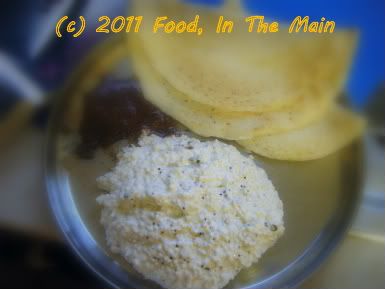
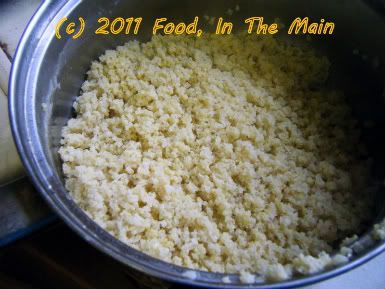
One thing I noticed about the cooked millet – how much it resembled cooked quinoa, but luckily without the distinctive taste. The millet took less getting used to than quinoa. Which is a good reason why it worked so well in this recipe. My dinner was millet "curd rice" with 1-1/2 brown rice dosas and molagapodi. Pretty satisfying, all said.
Recipe for:
Ingredients:
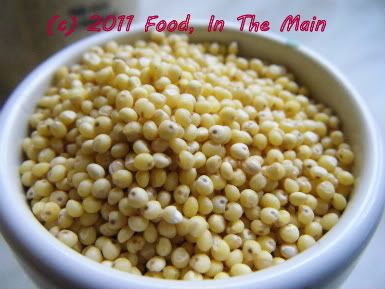
1/2 cup millet
Water as required
Yogurt as required (I used Greek-style yogurt)
1 tsp oil
1 tsp mustard seeds
A few curry leaves, torn up
1/4 tsp asafoetida powder
2-3 green chillies (or to taste), sliced into thin rounds
Optional: 2-3 tbsp cucumber cubed small OR 2-3 tbsp grated carrots OR a few halved green grapes
Method:
1. Cook the millet in plenty of boiling water till soft and cooked (takes about 15 minutes, but keep testing the millet during the cooking period to see if it's done).
2. Drain the water off as well as you can and let the millet sit covered for 10 minutes. Let it cool.
3. Add as much yogurt to the millet as required, mixing gently, until it's of a consistency you like.
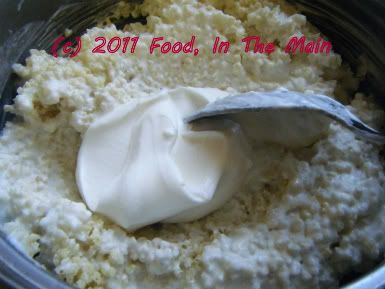
Ideally, it shouldn't be sloppy/runny, and it should also not be thick and dry.
4. For the tempering, heat the oil in a small pan, add the asafoetida powder, green chillies (if using), mustard seeds and curry leaves. Cover the pan and let the mustard seeds pop.
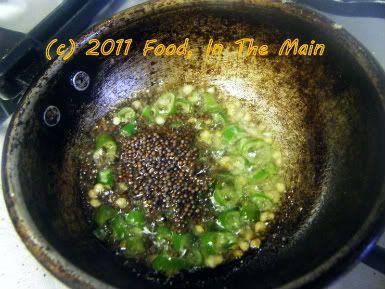
5. Now pour this tempering over the millet and mix it in gently. You can also mix in the cucumber, carrots or grapes at this point.
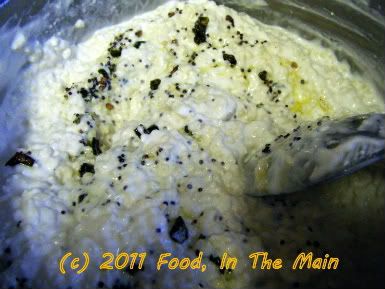
Serve cold or at room temperature.
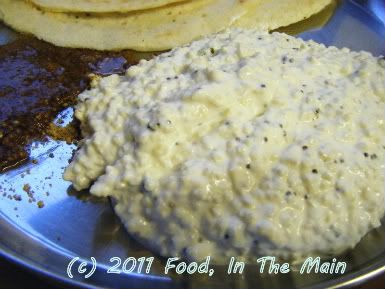
This can be had by itself or with pickles and any vegetable curry.
RECIPE: MILLET "CURD RICE"
Ingredients:
1/2 cup millet
Water as required
Yogurt as required (I used Greek-style yogurt)
1 tsp oil
1 tsp mustard seeds
A few curry leaves, torn up
1/4 tsp asafoetida powder
2-3 green chillies (or to taste), sliced into thin rounds
Optional: 2-3 tbsp cucumber cubed small OR 2-3 tbsp grated carrots OR a few halved green grapes
Method:
1. Cook the millet in plenty of boiling water till soft and cooked (takes about 15 minutes, but keep testing the millet during the cooking period to see if it's done).
2. Drain the water off as well as you can and let the millet sit covered for 10 minutes. Let it cool.
3. Add as much yogurt to the millet as required, mixing gently, until it's of a consistency you like. Ideally, it shouldn't be sloppy/runny, and it should also not be thick and dry.
4. For the tempering, heat the oil in a small pan, add the asafoetida powder, green chillies (if using), mustard seeds and curry leaves. Cover the pan and let the mustard seeds pop.
5. Now pour this tempering over the millet and mix it in gently. You can also mix in the cucumber, carrots or grapes at this point. Serve cold or at room temperature. This can be had by itself or with pickles and any vegetable curry. Millet "curd rice"
Happy new year 2011, everybody! My first post of the new year is an eggless cake, using flaxseed powder as a substitute for the egg in the original recipe - and goodness knows where I got that from. Anyway, it works! Flaxseed as a substitute for eggs really does work! There's no reason it SHOULDN'T, because this particular substitution has been recommended and tried by plenty of others. It's just that I needed to try it for myself before I could actually believe it. And I'm pretty sure I don't need to feel lonely in this respect, I'm sure I have plenty of company.
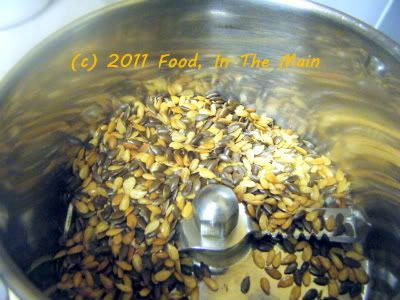 I'd dry roasted a lot of flaxseeds earlier, and it was a simple job to grind one tablespoon of the seeds to powder and mix it with water.
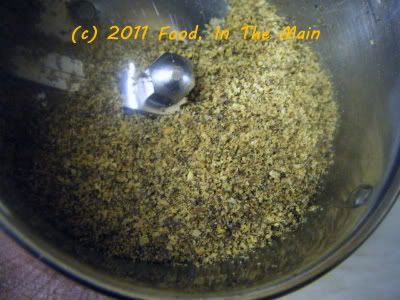 It's one thing to be told that 1 tbsp flaxseed powder + 3 tbsp water = one egg. It's quite another thing to realise that the flaxseed powder simply SUCKS up the water,
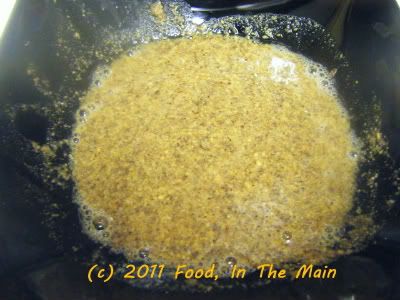 and when the mixture is added to cake batter, it makes the batter really really gooey. In fact, the batter felt so gooey that I wondered if the cake would turn out a disaster, but hooray for flaxseeds, it didn't!
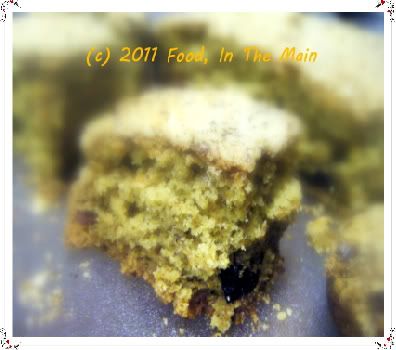
If you look at the photos of the cake, you'll see that the hazelnuts are practically powdered. That was not the effect I was after. I wanted the nuts chopped, not ground to dust. Sadly, one moment's distraction while running the nuts in the grinder is all it takes to pulverise rather than chop - so take note.
In short, if you DO make this cake, be sure to chop the nuts (whichever nuts you may substitute) a bit chunky; they're best not pulverised.
Recipe for: Flaxseed orange cake with hazelnuts
and when the mixture is added to cake batter, it makes the batter really really gooey. In fact, the batter felt so gooey that I wondered if the cake would turn out a disaster, but hooray for flaxseeds, it didn't!
If you look at the photos of the cake, you'll see that the hazelnuts are practically powdered. That was not the effect I was after. I wanted the nuts chopped, not ground to dust. Sadly, one moment's distraction while running the nuts in the grinder is all it takes to pulverise rather than chop - so take note.
In short, if you DO make this cake, be sure to chop the nuts (whichever nuts you may substitute) a bit chunky; they're best not pulverised.
Recipe for: Flaxseed orange cake with hazelnuts
 Ingredients:
1/3 cup oil
pinch salt
1 tbsp grated orange rind
1/2 cup sugar
1 tbsp flaxseed powder + 3 tbsp water
1-1/3 cups flour
1/2 teaspoon baking powder
1/2 teaspoon baking soda
1/4 cup cream or yogurt
1/3 cup dried berries
3-4 tbsp milk (if required)
3 tbsp Grand Marnier or Cointreau liqueur (or orange juice)
1/4 cup finely chopped hazelnuts
Method:
1. Preheat oven to 350°C.
2. Mix oil, salt, orange rind, Grand Marnier and sugar in a large bowl.
Ingredients:
1/3 cup oil
pinch salt
1 tbsp grated orange rind
1/2 cup sugar
1 tbsp flaxseed powder + 3 tbsp water
1-1/3 cups flour
1/2 teaspoon baking powder
1/2 teaspoon baking soda
1/4 cup cream or yogurt
1/3 cup dried berries
3-4 tbsp milk (if required)
3 tbsp Grand Marnier or Cointreau liqueur (or orange juice)
1/4 cup finely chopped hazelnuts
Method:
1. Preheat oven to 350°C.
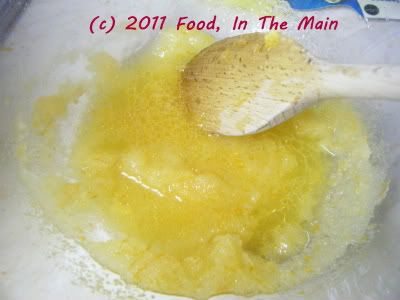
2. Mix oil, salt, orange rind, Grand Marnier and sugar in a large bowl.
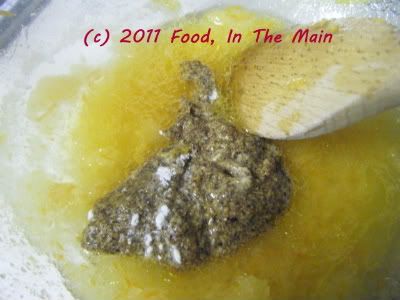
 3. Beat in the flaxseed mixture along with the cream or yogurt.
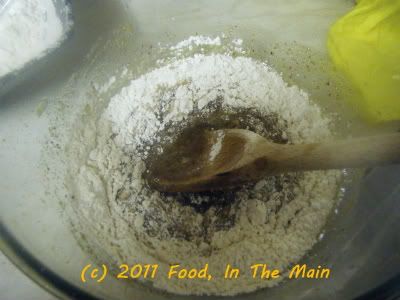
 4. Sift together the flour, baking soda and baking powder. Add to wet mixture in three or four stages, stirring well in between,
 then add the dried berries and mix them in well.
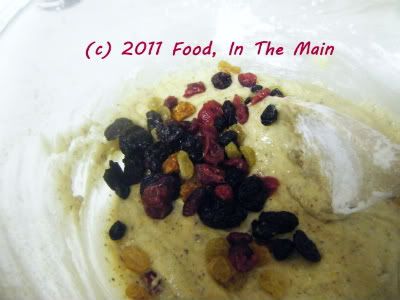 The batter will be quite sticky and gooey. Beat in some milk if the batter feels too thick.
5. Pour the batter into a 7" round or square pan which has been sprayed with Pam.
6. Spread the chopped nuts on the surface, pressing them in gently so that they are partly sunk in the batter.
The batter will be quite sticky and gooey. Beat in some milk if the batter feels too thick.
5. Pour the batter into a 7" round or square pan which has been sprayed with Pam.
6. Spread the chopped nuts on the surface, pressing them in gently so that they are partly sunk in the batter.
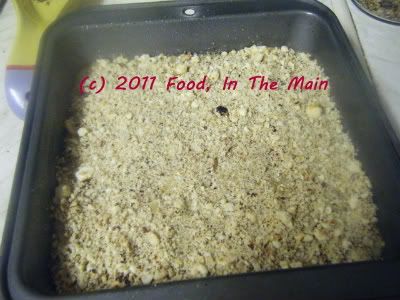 7. Bake till the cake is done - about 45-50 minutes, although it's best to check from 30 minutes onwards, depending on your oven.
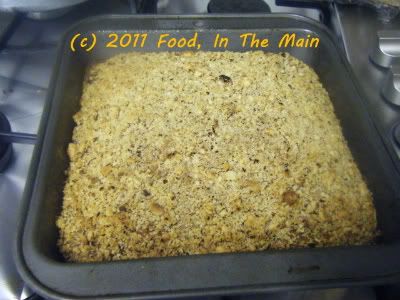 8. Cool the cooked cake for 10 minutes in the pan, then remove to a wire cooling rack to cool completely.
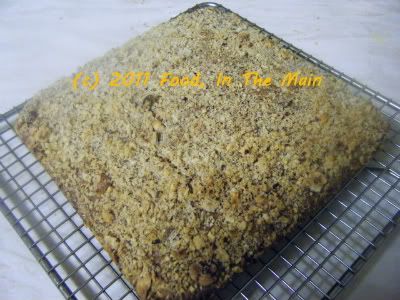 Cut when cool.
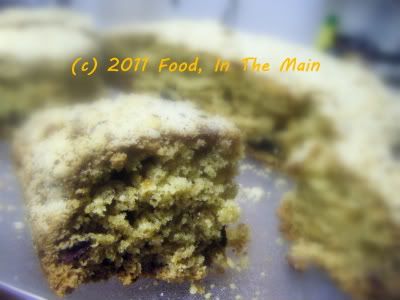 RECIPE: FLAXSEED ORANGE CAKE WITH HAZELNUTS
Ingredients:
1/3 cup oil
pinch salt
1 tbsp grated orange rind
1/2 cup sugar
1 tbsp flaxseed powder + 3 tbsp water
1-1/3 cups flour
1/2 teaspoon baking powder
1/2 teaspoon baking soda
1/4 cup cream or yogurt
1/3 cup dried berries
3-4 tbsp milk (if required)
3 tbsp Grand Marnier or Cointreau liqueur (or orange juice)
1/4 cup finely chopped hazelnuts
Method:
1. Preheat oven to 350°C.
2. Mix oil, salt, orange rind, Grand Marnier and sugar in a large bowl.
3. Beat in the flaxseed mixture along with the cream or yogurt.
4. Sift together the flour, baking soda and baking powder. Add to wet mixture, then add the dried berries and mix them in well. The batter will be a bit sticky and gooey. Beat in some milk if the batter feels too thick.
5. Pour the batter into a 7" round or square pan which has been sprayed with Pam.
6. Spread the chopped nuts on the surface, pressing them in gently so that they are partly sunk in the batter.
7. Bake till the cake is done - about 45-50 minutes, although it's best to check from 30 minutes onwards, depending on your oven.
8. Cool the cooked cake for 10 minutes in the pan, then remove to a wire cooling rack to cool completely.
RECIPE: FLAXSEED ORANGE CAKE WITH HAZELNUTS
Ingredients:
1/3 cup oil
pinch salt
1 tbsp grated orange rind
1/2 cup sugar
1 tbsp flaxseed powder + 3 tbsp water
1-1/3 cups flour
1/2 teaspoon baking powder
1/2 teaspoon baking soda
1/4 cup cream or yogurt
1/3 cup dried berries
3-4 tbsp milk (if required)
3 tbsp Grand Marnier or Cointreau liqueur (or orange juice)
1/4 cup finely chopped hazelnuts
Method:
1. Preheat oven to 350°C.
2. Mix oil, salt, orange rind, Grand Marnier and sugar in a large bowl.
3. Beat in the flaxseed mixture along with the cream or yogurt.
4. Sift together the flour, baking soda and baking powder. Add to wet mixture, then add the dried berries and mix them in well. The batter will be a bit sticky and gooey. Beat in some milk if the batter feels too thick.
5. Pour the batter into a 7" round or square pan which has been sprayed with Pam.
6. Spread the chopped nuts on the surface, pressing them in gently so that they are partly sunk in the batter.
7. Bake till the cake is done - about 45-50 minutes, although it's best to check from 30 minutes onwards, depending on your oven.
8. Cool the cooked cake for 10 minutes in the pan, then remove to a wire cooling rack to cool completely.
I saw this recipe by Rachel Allen on one of her shows – I like her because she’s lovely and because she’s Irish and because of the way she talks with a gentle Irish accent (rather than a strongly incomprehensible – but still lovely - accent), and because those of her recipes that I’ve tried have worked well - according to my husband. I can’t personally attest to this because while I may cook non-vegetarian dishes for him, I don’t taste them at any point during the process.
Cooking on this basis, coupled with the fact that I’m not experienced in non-veg cookery, is very much a case of “man, I hope this doesn’t kill Pete or my guests”. I’m a bit more confident with cooking chicken now, but I’m not entirely sure about pork/beef unless I’ve pressure-cooked it, and I’m frankly absolutely terrified of fish.
So the one thing that I can happily try, and which usually work, are cakes – and as always, the easier the recipe, the happier it makes me.
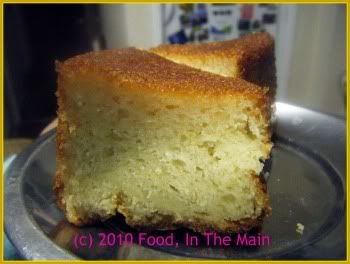
This cake, sharp and lemony and sweet and moist, with a very slightly grainy crumb because of the ground almonds, was so gorgeous that I’m tempted to experiment with making it again but this time without eggs, so that the non-egg eaters among my readers and family can also ooh and aah over it.
It’s easy enough to make, if slightly more time-consuming than my favourite put-all-the-ingredients-in-a-bowl-and-stir type of recipes. But the few extra minutes are SO worth it for this citrusy cake. The rosewater flavour in the soaking syrup is mild, though, even though I used rosehip syrup to try and boost the rose aroma and taste.
Oh well... at least I tried.
Recipe for: Lemon yogurt cake
 Ingredients:
1-1/2 cups self-raising flour
1 tsp baking powder
1/2 cup ground almonds
3/4 cup caster sugar (I used Tate & Lyle's)
1/4 tsp salt
2 large eggs
1 tbsp honey
1-1/4 cup lightly stirred Greek yogurt (I used Total brand)
Zest of one large lemon
3/4 cup oil
For the syrup
3/4 cup sugar
1/2 cup water
Juice of one lemon (Use the one you zested)
10 drops rosehip syrup
1 tbsp rosewater (use 2 tbsp if you dont have rosehip syrup)
Tip: Make the syrup while the cake is cooking.
Method:
Ingredients:
1-1/2 cups self-raising flour
1 tsp baking powder
1/2 cup ground almonds
3/4 cup caster sugar (I used Tate & Lyle's)
1/4 tsp salt
2 large eggs
1 tbsp honey
1-1/4 cup lightly stirred Greek yogurt (I used Total brand)
Zest of one large lemon
3/4 cup oil
For the syrup
3/4 cup sugar
1/2 cup water
Juice of one lemon (Use the one you zested)
10 drops rosehip syrup
1 tbsp rosewater (use 2 tbsp if you dont have rosehip syrup)
Tip: Make the syrup while the cake is cooking.
Method:
1. Sift together the self-raising flour and baking powder.
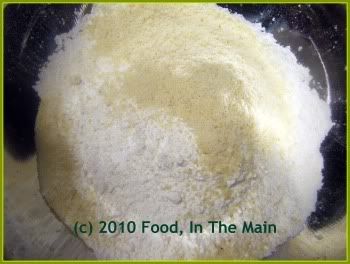 3. Whisk the eggs, add the honey
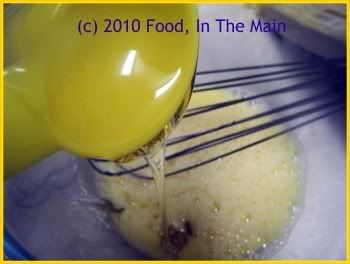 then add the yogurt,
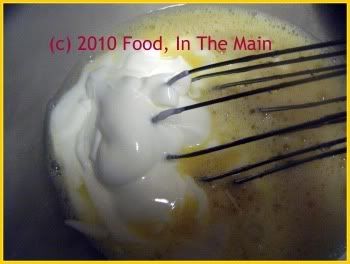 lime zest
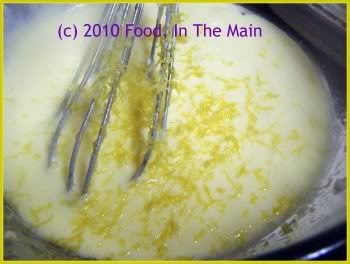 and oil.
4. Add the dry ingredients to the wet and fold in till combined.
and oil.
4. Add the dry ingredients to the wet and fold in till combined.
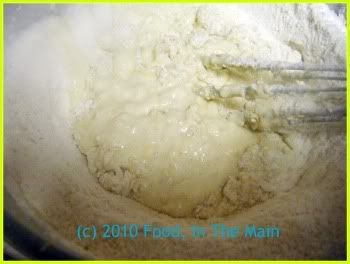 Do not beat. The batter will be quite thick.
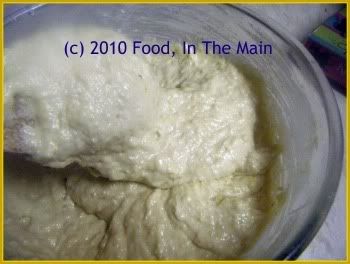 5. Grease an 8” round baking tin with butter, or spray with Pam or other non-stick spray.
6. Pour the batter into the pan and smooth the top, occasionally dipping the spatula in warm water to make the smoothing process easier. Bake in a 180C/350F preheated oven till the cake is cooked (about 30 minutes, but check with a tester.) It should have pulled away slightly from the sides of the pan.
7. Let the cake rest in the tin for 5 minutes, then turn it out onto a wire tray placed over a plate.
5. Grease an 8” round baking tin with butter, or spray with Pam or other non-stick spray.
6. Pour the batter into the pan and smooth the top, occasionally dipping the spatula in warm water to make the smoothing process easier. Bake in a 180C/350F preheated oven till the cake is cooked (about 30 minutes, but check with a tester.) It should have pulled away slightly from the sides of the pan.
7. Let the cake rest in the tin for 5 minutes, then turn it out onto a wire tray placed over a plate.
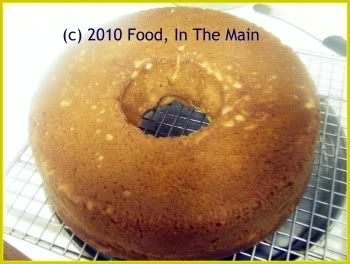 8. Cool the cake for a bit, then while it’s still warm, poke holes all over it with a skewer, including the edges of the cake.
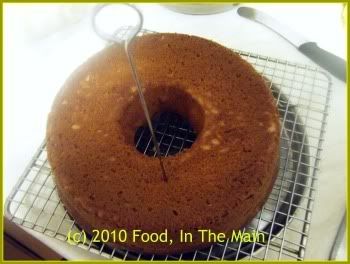 9. Spoon the lemon-rosewater syrup little by little evenly over the cake, waiting till it’s absorbed before adding more. Continue till the syrup is used up. Allow the cake to sit for 30 minutes before cutting.
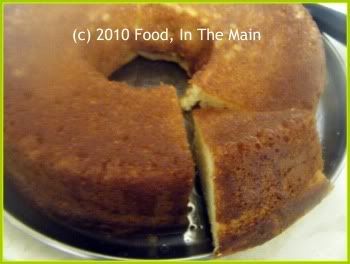 Serve the cake at room temperature.
 To make the syrup:
Place the sugar and water in a saucepan and heat till the sugar dissolves. Bring the sugar-water to a boil and let it bubble on medium-high for 7 minutes. Add the lemon juice, boil for 2 more minutes, then turn the heat off and let the syrup cool. When the syrup is cool, stir in the rosewater and rosehip syrup. Reserve till required.
RECIPE: LEMON YOGURT CAKE
Ingredients:
1-1/2 cups self-raising flour
1 tsp baking powder
1/2 cup ground almonds
3/4 cup caster sugar
1/4 tsp salt
2 large eggs
1 tbsp honey
1-1/4 cup lightly stirred Greek yogurt (I used Total brand)
Zest of one large lemon
3/4 cup oil
For the syrup:
3/4 cup sugar
1/2 cup water
Juice of one lemon (Use the one you zested)
10 drops rosehip syrup
1 tbsp rosewater (use 2 tbsp if you dont have rosehip syrup)
Tip: Make the syrup while the cake is cooking.
Method:
1. Sift together the self-raising flour and baking powder.
2. Stir in the ground almonds, caster sugar and salt.
3. Whisk the eggs, then whisk in the honey, yogurt, lime zest and oil.
4. Add the dry ingredients to the wet and fold in till combined. Do not beat. The batter will be quite thick.
5. Grease an 8” round baking tin with butter or spray Pam or other non-stick spray.
6. Pour the batter into the pan and smooth the top, occasionally dipping the spatula in warm water to make the smoothing process easier. Bake in a 180C/350F preheated oven till the cake is cooked (about 30 minutes, but check with a tester.) It should have pulled away slightly from the sides of the pan.
7. Let the cake rest in the tin for 5 minutes, then turn it out onto a wire tray placed over a plate.
8. Cool the cake for a bit, then while it’s still warm, poke holes all over it with a skewer, including the edges of the cake.
9. Spoon the lemon-rosewater syrup little by little evenly over the cake, waiting till it’s absorbed before adding more. Continue till the syrup is used up. Allow the cake to sit for 30 minutes before cutting. Serve the cake at room temperature.
To make the syrup:
Place the sugar and water in a saucepan and heat till the sugar dissolves. Bring the sugar-water to a boil and let it bubble on medium-high for 7 minutes. Add the lemon juice, boil for 2 more minutes, then turn the heat off and let the syrup cool. When the syrup is cool, stir in the rosewater and rosehip syrup. Reserve till required.
To make the syrup:
Place the sugar and water in a saucepan and heat till the sugar dissolves. Bring the sugar-water to a boil and let it bubble on medium-high for 7 minutes. Add the lemon juice, boil for 2 more minutes, then turn the heat off and let the syrup cool. When the syrup is cool, stir in the rosewater and rosehip syrup. Reserve till required.
RECIPE: LEMON YOGURT CAKE
Ingredients:
1-1/2 cups self-raising flour
1 tsp baking powder
1/2 cup ground almonds
3/4 cup caster sugar
1/4 tsp salt
2 large eggs
1 tbsp honey
1-1/4 cup lightly stirred Greek yogurt (I used Total brand)
Zest of one large lemon
3/4 cup oil
For the syrup:
3/4 cup sugar
1/2 cup water
Juice of one lemon (Use the one you zested)
10 drops rosehip syrup
1 tbsp rosewater (use 2 tbsp if you dont have rosehip syrup)
Tip: Make the syrup while the cake is cooking.
Method:
1. Sift together the self-raising flour and baking powder.
2. Stir in the ground almonds, caster sugar and salt.
3. Whisk the eggs, then whisk in the honey, yogurt, lime zest and oil.
4. Add the dry ingredients to the wet and fold in till combined. Do not beat. The batter will be quite thick.
5. Grease an 8” round baking tin with butter or spray Pam or other non-stick spray.
6. Pour the batter into the pan and smooth the top, occasionally dipping the spatula in warm water to make the smoothing process easier. Bake in a 180C/350F preheated oven till the cake is cooked (about 30 minutes, but check with a tester.) It should have pulled away slightly from the sides of the pan.
7. Let the cake rest in the tin for 5 minutes, then turn it out onto a wire tray placed over a plate.
8. Cool the cake for a bit, then while it’s still warm, poke holes all over it with a skewer, including the edges of the cake.
9. Spoon the lemon-rosewater syrup little by little evenly over the cake, waiting till it’s absorbed before adding more. Continue till the syrup is used up. Allow the cake to sit for 30 minutes before cutting. Serve the cake at room temperature.
To make the syrup:
Place the sugar and water in a saucepan and heat till the sugar dissolves. Bring the sugar-water to a boil and let it bubble on medium-high for 7 minutes. Add the lemon juice, boil for 2 more minutes, then turn the heat off and let the syrup cool. When the syrup is cool, stir in the rosewater and rosehip syrup. Reserve till required.
(Caution to my squeamish readers: Disgusting imagery alert! Read from Para 4 if you have a weak stomach.)
Although I quite like mushrooms, I’m not really crazy about them – I think it’s to do with their texture. I love mushroom soup, because it has the flavour without the texture. I absolutely cannot stand mushrooms in a cold curry because to me they taste like floppy rubber bands, and look like something that died but inexplicably didn’t get a decent burial.
Hm. After that appetizing description, I have no doubt that non-mushroom eaters will be rushing en masse to try the delights of cold cooked mushrooms for themselves. Oh well… I figure that people who dislike mushrooms will continue to dislike them (and perhaps agree with me) and those who love ‘em will continue to love ‘em no matter what I say. (It’s what I call a win-win situation for my writing skills.)
Anyway, it’s been a looooooong time since I cooked with mushrooms last, mainly because the low-fat yogurt I’d used curdled in the sauce to rather gross effect – in fact, binge-drinkers outside nightclubs on a Friday night could not have reproduced anything worse-looking. The effect, basically, was to make me shy away from putting yogurt anywhere near boiling sauce that contained mushrooms.
As I learnt from my disastrous episode with heating very low-fat yogurt, it’s best to use full-fat or regular yogurt, or at worst 2%, if you’re planning to cook with it. Otherwise, reheating leftovers could pose the same problems as heating while cooking.
The Greek yogurt I used was a branded one which I had been asked to try out, and although I’d been assured that the 2% yogurt would not curdle, I must admit I was a bit nervous when adding it to the hot sauce. But it was no lie, the yogurt didn’t “turn” and the finished dish was deeelish, thankfully dislodging the images that had attached themselves to my inner eye after the previous experience.
Recipe for: Mushroom peas yogurt curry
 Ingredients:
 3 cups baby button mushrooms, halved
1 cup frozen petit pois
1/2 cup thick Greek yogurt (I used Total Greek yogurt)
3/4 tsp whole black peppercorns
1/2 tsp cumin seeds
1/2 tsp coriander seeds
1/2 cup thinly sliced onions
1/2 cup thick pureed tomatoes (I also used a few baby cherry tomatoes)
1 tsp grated ginger root
1/4 tsp garam masala
2 tsp oil
Salt to taste
Coriander leaves for garnish
Method:
1. Pound the black peppercorns, coriander seeds and cumin seeds to powder in a mortar and pestle.
3 cups baby button mushrooms, halved
1 cup frozen petit pois
1/2 cup thick Greek yogurt (I used Total Greek yogurt)
3/4 tsp whole black peppercorns
1/2 tsp cumin seeds
1/2 tsp coriander seeds
1/2 cup thinly sliced onions
1/2 cup thick pureed tomatoes (I also used a few baby cherry tomatoes)
1 tsp grated ginger root
1/4 tsp garam masala
2 tsp oil
Salt to taste
Coriander leaves for garnish
Method:
1. Pound the black peppercorns, coriander seeds and cumin seeds to powder in a mortar and pestle.
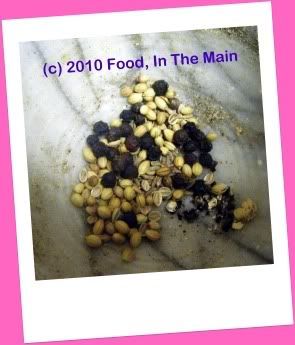 2. Heat the oil, add the masala powder and let fry for 15 seconds, then add the grated ginger.
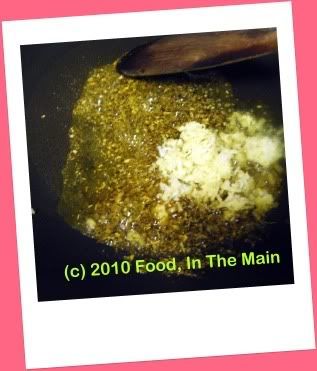 3. Throw in the sliced onions and mix well. Skip Step 4 if you are not using cherry tomatoes.
 4. When the onions start softening, add the halved cherry tomatoes (if using).
 Cook until the tomatoes are mushy.
 5. When the onions are soft, pour in the tomato puree and add the garam masala, then add 1/2 cup water.
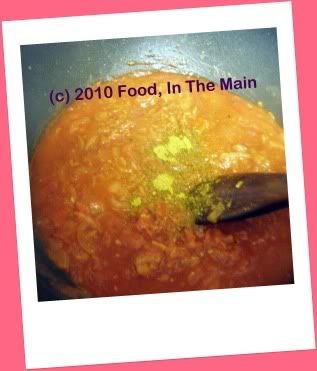 6. Let it simmer for 3-4 minutes, then add the mushrooms.
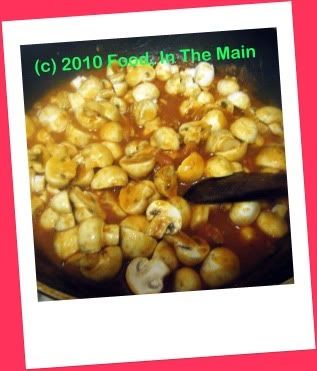 Let the mushrooms cook for 3-4 minutes until they release their liquid and shrink in size.
7. Now add the frozen petit pois and mix them in.
Let the mushrooms cook for 3-4 minutes until they release their liquid and shrink in size.
7. Now add the frozen petit pois and mix them in.
 8. Cover the pan and let the mixture simmer for 5 minutes. If the gravy is watery, boil it on high for 2-3 minutes. When the gravy has reduced to your liking, add the Greek yogurt.
 9. Add salt to taste and stir in the Greek yogurt. Let the curry simmer for another 3-4 minutes, then turn off the heat.
 10. Garnish with coriander leaves and serve hot with plain rice or as a side dish for pulao and biriyani.
 RECIPE: MUSHROOM PEAS YOGURT CURRY
Ingredients:
3 cups baby button mushrooms, halved
1 cup frozen petit pois
1/2 cup thick Greek yogurt (I used Total Greek yogurt)
3/4 tsp whole black peppercorns
1/2 tsp cumin seeds
1/2 tsp coriander seeds
1/2 cup thinly sliced onions
1/2 cup thick pureed tomatoes (I also used a few baby cherry tomatoes)
1 tsp grated ginger root
1/4 tsp garam masala
2 tsp oil
Salt to taste
Coriander leaves for garnish
Method:
1. Pound the black peppercorns, coriander seeds and cumin seeds to powder in a mortar and pestle.
2. Heat the oil, add the masala powder and let fry for 15 seconds, then add the grated ginger.
3. Throw in the sliced onions and mix well. Skip Step 4 if you are not using cherry tomatoes.
4. When the onions start softening, add the halved cherry tomatoes (if using). Cook until the tomatoes are mushy.
5. When the onions are soft, pour in the tomato puree and add the garam masala, then add 1/2 cup water.
6. Let it simmer for 3-4 minutes, then add the mushrooms. Let the mushrooms cook for 3-4 minutes until they release their liquid and shrink in size.
7. Now add the frozen petit pois and mix them in.
8. Cover the pan and let the mixture simmer for 5 minutes. If the gravy is watery, boil it on high for 2-3 minutes. When the gravy has reduced to your liking, add the Greek yogurt.
9. Add salt to taste and stir in the Greek yogurt. Let the curry simmer for another 3-4 minutes, then turn off the heat. Let the curry sit covered for 5 minutes.
10. Then garnish with coriander leaves and serve hot with plain rice or as a side dish for pulao and biriyani.
RECIPE: MUSHROOM PEAS YOGURT CURRY
Ingredients:
3 cups baby button mushrooms, halved
1 cup frozen petit pois
1/2 cup thick Greek yogurt (I used Total Greek yogurt)
3/4 tsp whole black peppercorns
1/2 tsp cumin seeds
1/2 tsp coriander seeds
1/2 cup thinly sliced onions
1/2 cup thick pureed tomatoes (I also used a few baby cherry tomatoes)
1 tsp grated ginger root
1/4 tsp garam masala
2 tsp oil
Salt to taste
Coriander leaves for garnish
Method:
1. Pound the black peppercorns, coriander seeds and cumin seeds to powder in a mortar and pestle.
2. Heat the oil, add the masala powder and let fry for 15 seconds, then add the grated ginger.
3. Throw in the sliced onions and mix well. Skip Step 4 if you are not using cherry tomatoes.
4. When the onions start softening, add the halved cherry tomatoes (if using). Cook until the tomatoes are mushy.
5. When the onions are soft, pour in the tomato puree and add the garam masala, then add 1/2 cup water.
6. Let it simmer for 3-4 minutes, then add the mushrooms. Let the mushrooms cook for 3-4 minutes until they release their liquid and shrink in size.
7. Now add the frozen petit pois and mix them in.
8. Cover the pan and let the mixture simmer for 5 minutes. If the gravy is watery, boil it on high for 2-3 minutes. When the gravy has reduced to your liking, add the Greek yogurt.
9. Add salt to taste and stir in the Greek yogurt. Let the curry simmer for another 3-4 minutes, then turn off the heat. Let the curry sit covered for 5 minutes.
10. Then garnish with coriander leaves and serve hot with plain rice or as a side dish for pulao and biriyani.


